
Urgent dental care — Finchley
Emergency dentist in Finchley when you need help fast

What we can help with
Dental emergencies we assess and treat in Finchley
If you are unsure whether your situation is an emergency, call us on 020 7998 7657. We can advise over the phone whether you need to come in urgently or whether an early routine appointment is more appropriate.

Severe toothache
Persistent, intense or throbbing tooth pain — particularly pain that has woken you at night, is not controlled by standard pain relief, or comes on spontaneously — may indicate pulp inflammation or infection requiring prompt assessment. Do not wait to see whether it resolves.

Dental abscess or facial swelling
A dental abscess is a bacterial infection at the root of a tooth or in the surrounding gum. Symptoms can include throbbing pain, a raised area or pimple on the gum, swelling of the face or jaw, fever, and a bad taste in the mouth. Abscesses can spread — always seek prompt treatment. If swelling is growing rapidly or affecting your airway, go to A&E.

Broken, chipped or cracked tooth
A fractured tooth may cause sharp pain, sensitivity to temperature, or discomfort when biting. Where the nerve is exposed or a significant portion of the tooth has broken away, early assessment is important. Keep any broken fragment if you have it — bring it with you to your appointment.
Knocked-out tooth
A completely displaced adult tooth (avulsion) is a time-critical emergency. Handle the tooth by the crown, rinse gently with milk or saliva (not tap water), reinsert if possible, and call us immediately. The sooner you receive treatment, the greater the chance of saving the tooth. Do not attempt to reimplant a knocked-out baby tooth.
Lost filling, crown or bridge
A lost or broken restoration leaves the prepared tooth underneath exposed to bacteria, sensitivity and further damage. While not always a same-day emergency, it should be assessed promptly. Avoid chewing on the affected side and call us to arrange an appointment. Do not use household glue on a dental restoration.
Dental trauma and sports injuries
A blow to the face — from a fall, sport or accident — can loosen, fracture or displace teeth even if they do not appear visibly damaged. Loosened teeth and those that have shifted in position should be assessed the same day. We also treat soft tissue injuries to the lips, tongue and gum.
Wisdom tooth pain and pericoronitis
Impacted or partially erupted wisdom teeth can cause significant pain and swelling at the back of the mouth, difficulty opening the jaw, and sometimes infection of the surrounding gum tissue (pericoronitis). This may require irrigation, antibiotics, or in some cases extraction. Call us to discuss your symptoms.
Severe gum pain or gum abscess
A periodontal (gum) abscess causes acute pain, swelling and tenderness in the gum, often without obvious tooth decay. It may be associated with existing gum disease. Prompt drainage and assessment are needed to prevent the infection spreading.
Before and during your appointment
What to do — and what to expect
Before you come in
Take over-the-counter pain relief (ibuprofen or paracetamol) if appropriate and not contraindicated for you
Apply a cold compress to the outside of your face to reduce swelling — not directly on the tooth or gum
Keep any fragment of a broken tooth or lost restoration — bring it with you
If a crown or bridge has come off, do not eat on that side and avoid using household adhesive
For a knocked-out tooth, follow the guidance above — every minute counts
After your emergency appointment
Emergency treatment often provides immediate relief — but it may not be the definitive solution. Following stabilisation, you may need one or more of the following:
Root canal treatment to save an infected tooth
A crown to protect and restore a broken or root-treated tooth
Extraction if the tooth cannot be saved, followed by replacement options
Gum treatment if a periodontal infection is identified
We discuss all follow-up options with you at your emergency appointment, with clear costs and timelines, so you can make an informed decision.
Call us now
We see emergency patients from across Finchley and North London — including new patients who are not currently registered with us.
- 110 Total Dentistry
- 110–112 Ballards Lane
- Finchley, London N3 2DN
- A short walk from Finchley Central station
A short walk from Finchley Central station
Fees
Please call 020 7998 7657 for current emergency appointment fees. Any further treatment required is itemised and explained before proceeding — there are no unexpected charges.
Your emergency appointment
When you call, we will ask a few brief questions to understand your symptoms and their urgency. This allows us to prioritise the appointment appropriately and prepare for your arrival.
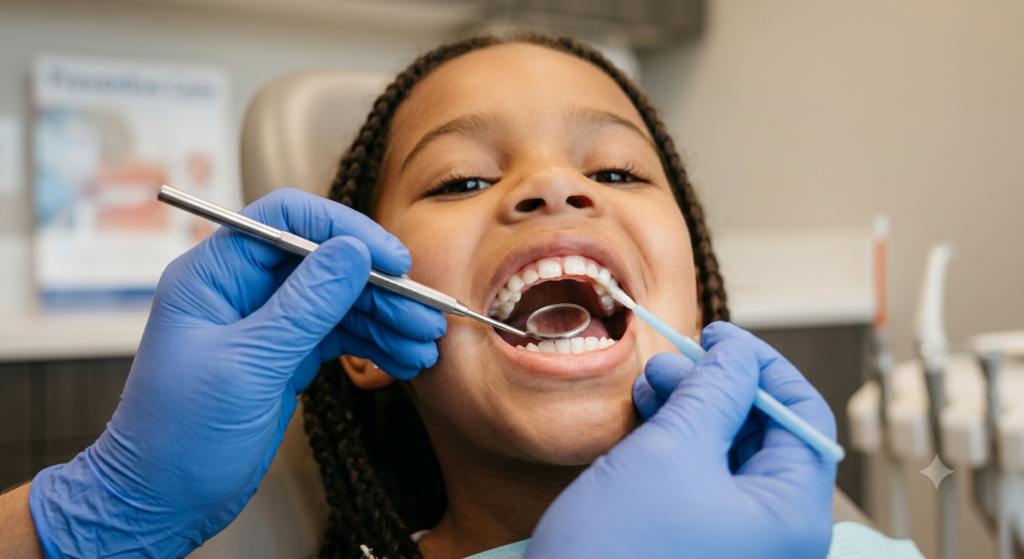
Your dentist will examine the affected area carefully. X-rays are taken where clinically indicated to confirm the diagnosis. We explain our findings clearly before discussing options.
Where appropriate, we provide immediate relief — this may include local anaesthetic, a temporary dressing, drainage of an abscess, or prescribing medication. Our priority is to resolve your acute discomfort.
We explain your options — including what treatment is needed, the expected process, the approximate cost, and the recommended next steps. Nothing proceeds without your informed consent.
Common questions
Emergency dentist FAQs
We will assess the urgency of your situation and offer the earliest clinically appropriate appointment. We cannot guarantee same-day availability for every situation, but we prioritise genuine dental emergencies. Call 020 7998 7657 as early in the day as possible and explain your symptoms clearly so we can assess urgency.
If you need urgent out-of-hours dental care, call NHS 111, which can direct you to an available NHS emergency dental service. For symptoms that feel like a medical emergency — severe swelling affecting your breathing, uncontrolled bleeding, or significant trauma — attend A&E or call 999. Do not wait until the next working day if you are concerned.
Yes. You do not need to be a registered patient to receive emergency dental treatment at 110 Total Dentistry. Please call 020 7998 7657, explain your situation, and we will do everything we can to arrange an urgent appointment.
Antibiotics may help control a dental infection temporarily but they do not address its source. Your dentist will assess whether antibiotics are clinically appropriate — they are not always indicated and should not be used as a substitute for proper dental treatment.
Act immediately — speed is critical. Pick the tooth up by the crown only (not the root). Rinse it very gently with milk or your own saliva — do not use tap water or scrub the root surface. If you can, try to reinsert it into the socket and bite gently on a clean cloth to hold it in place. If reinsertion is not possible, place the tooth in a small container of milk or hold it between your cheek and gum, then call us at once on 020 7998 7657. The sooner you reach us, the better the prognosis.
Take standard over-the-counter pain relief such as ibuprofen or paracetamol (following the instructions on the packaging and checking for any contraindications with your usual medications). Apply a cold compress to the outside of your face if you have swelling — do not apply ice directly to the tooth or gum. Do not attempt to fix a broken restoration yourself with household adhesives. Keep any fragment or lost restoration if it has come out cleanly.
Please call 020 7998 7657 for current emergency assessment fees. Any treatment required following the assessment is charged separately and fully explained to you before work proceeds — nothing is done without your informed consent.
Yes. A dental abscess is a bacterial infection that requires prompt treatment. Call us on 020 7998 7657 as soon as possible. If you develop rapidly worsening swelling affecting your face, neck or ability to swallow or breathe — this is a medical emergency. Go to A&E or call 999 immediately rather than waiting for a dental appointment.
Following your emergency, you may need
Once your immediate pain and infection are addressed, your dentist will recommend any follow-up treatment needed. These pages explain the most common next steps after emergency dental care.
Save an infected or inflamed tooth with endodontic treatment.
Restore a broken, decayed or root-treated tooth with a custom-made crown.
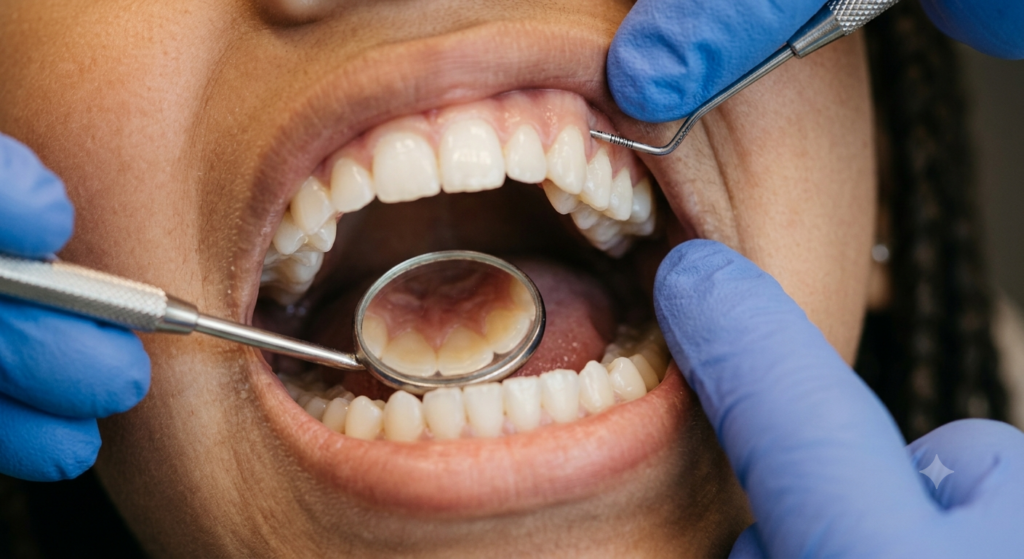
Replace a tooth that cannot be saved with a stable, long-term implant solution.
Dental emergency in Finchley?
Do not wait. Call us now and we will assess your situation and arrange the earliest appropriate appointment. New patients welcome — you do not need to be registered with us.