

dental-hygienist-finchley

Preventive care

Dental hygienist in Finchley — professional cleaning and gum care

Regular hygiene visits remove the plaque and tartar that home brushing cannot fully address, helping to protect your gums, preserve your teeth and keep your breath fresh. Serving patients from Finchley Central and the surrounding area at 110 Total Dentistry.

£75

Standard Hygiene

£95

Diamond Clean

Understanding your oral health

What plaque and tartar are — and why they matter

Plaque is a soft, sticky film of bacteria that forms continuously on the surfaces of your teeth and along the gum line. When plaque is not removed through regular brushing and interdental cleaning, it mineralises within days into a hard deposit called tartar (also known as calculus). Tartar cannot be removed with a toothbrush — only a trained clinician using specialist instruments can safely clear it. Accumulating tartar and the bacteria it harbours irritate the gum tissue, causing inflammation (gingivitis). Left unaddressed, this can progress to periodontitis — a deeper infection affecting the bone that supports your teeth. Research also links chronic gum disease to systemic conditions including cardiovascular disease and diabetes, which is one reason that regular hygiene care forms an important part of overall health maintenance. Even patients with a careful home routine often have areas where deposits accumulate — particularly around the back teeth, at the gum margin and between the teeth. Professional hygiene appointments address these areas systematically.
Direct access
You may be able to book a hygiene appointment directly without a dentist referral — please call 020 7998 7657 to confirm availability.

Signs you may benefit from a hygiene visit

Bleeding gums when brushing or flossing

Gum tenderness, swelling or redness

Persistent bad breath despite good home hygiene

Visible tartar or brown staining on teeth

Sensitivity around the gum line

Recent placement of implants, crowns or bridges

Wearing fixed or removable orthodontic appliances

More than six months since your last professional clean

What to expect

Your hygiene appointment, step by step
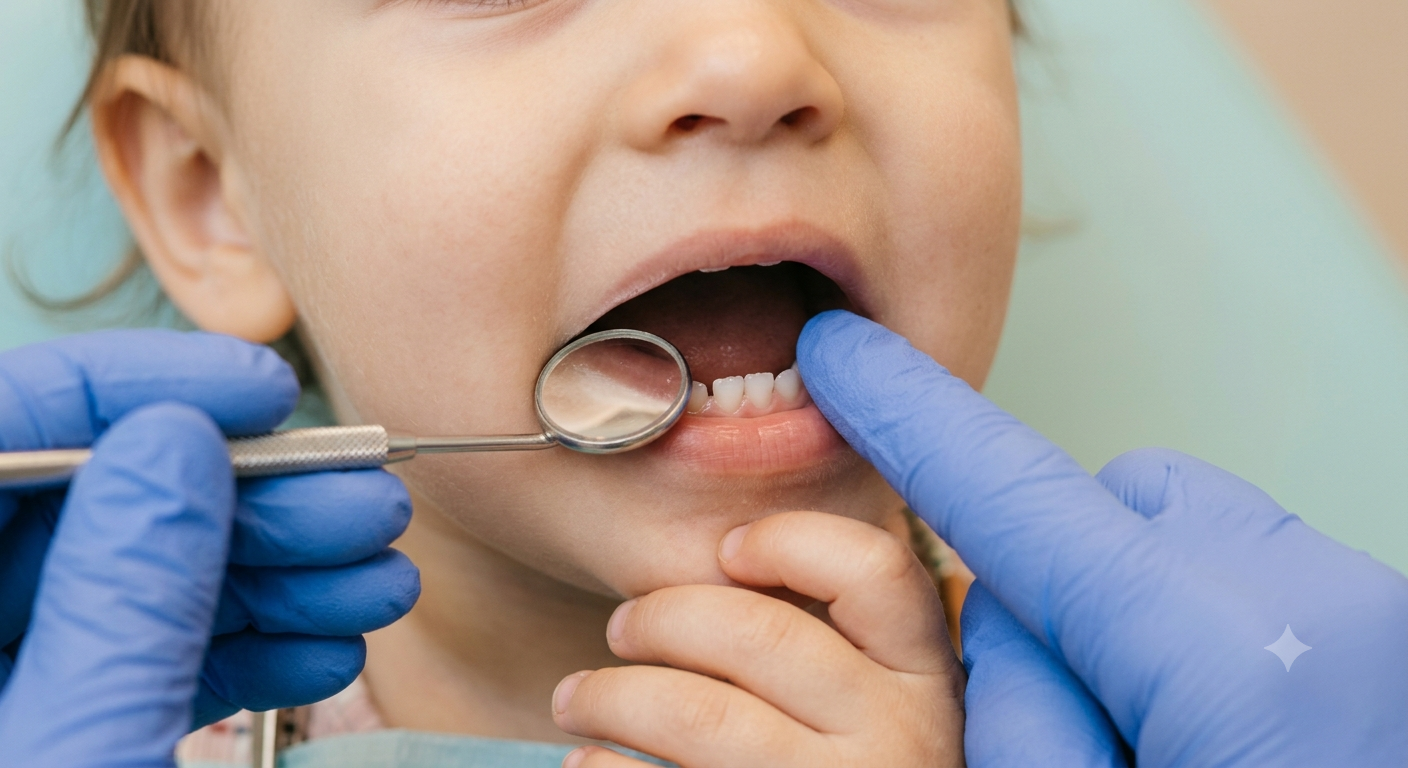
Gum health assessment

The clinician checks your gum tissue for signs of inflammation and, where indicated, carries out periodontal probing — measuring pocket depths around individual teeth to assess the extent of any gum involvement.
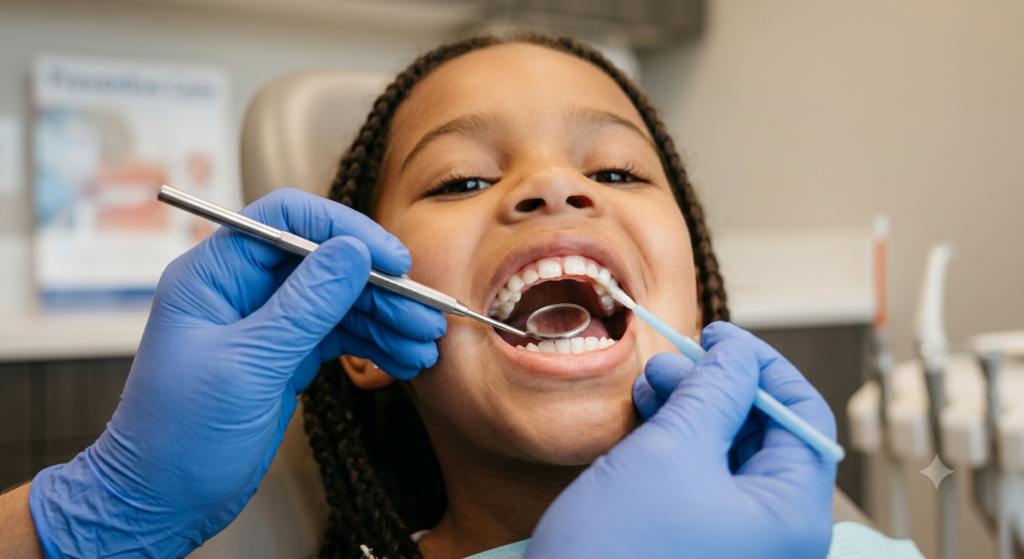
Professional scaling

Using hand instruments and/or an ultrasonic scaler, tartar deposits are removed from the tooth surfaces and below the gum line. Both tools are safe and well-tolerated by most patients.
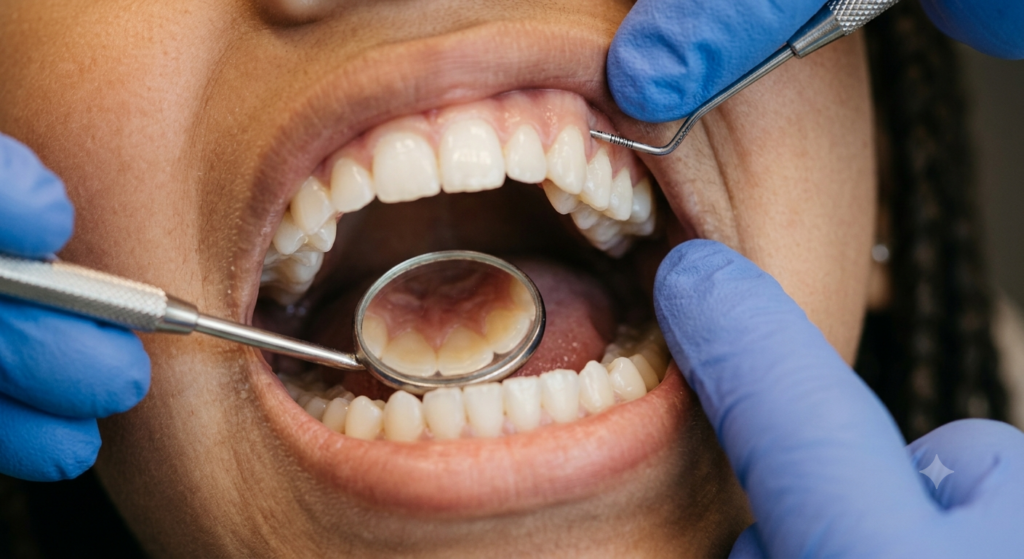
Polishing

A professional polish removes surface stains and leaves the teeth smooth, making it harder for new plaque to adhere. Diamond Clean appointments include an enhanced polishing stage for a more thorough finish.

Personalised homecare advice

Your clinician will review your brushing and interdental cleaning technique and recommend specific products or adjuncts — such as interdental brushes or a water flosser — suited to your needs.

Recall recommendation

Based on your gum health and plaque levels, a recommended recall interval is given — typically between three and twelve months. Patients with active gum disease may be reviewed more frequently until the condition stabilises.

Onward referral if needed

A professional polish removes surface stains and leaves the teeth smooth, making it harder for new plaque to adhere. Diamond Clean appointments include an enhanced polishing stage for a more thorough finish.

Hygiene care around restorations and appliances

Dental restorations and appliances create areas where plaque can accumulate in ways that differ from natural teeth. Your hygienist is trained to clean around these carefully and to advise on effective home-cleaning approaches for each:

Implants

Monitored for peri-implantitis risk; subgingival deposits removed with instruments that will not damage the implant surface.

Crowns and bridges:

Margins and under-bridge areas cleaned; guidance on using floss threaders or interdental brushes.

Orthodontic appliances:

Fixed braces and retainers trap plaque; targeted cleaning and product recommendations to maintain gum health throughout treatment.

Hygiene options

Standard Hygiene vs Diamond Clean

Both appointments follow the same structured approach: gum assessment, professional scale, polish and homecare coaching. The difference lies in depth of the polishing stage.
Standard Hygiene
Comprehensive professional clean covering tartar removal, routine polish and personalised homecare advice. The right choice for most patients attending on a regular recall basis.

£75

Diamond Clean
Everything included in Standard Hygiene, plus an enhanced polishing and stain-removal protocol. Popular with patients who have visible surface staining, or those preparing for a special occasion alongside or after whitening treatment.

£95

Comfort, recovery and aftercare
Most patients return to normal activities immediately after a hygiene appointment. Some mild gum sensitivity or tenderness may be noticed for a day or two, particularly if there was significant inflammation before treatment — this typically settles as the gum tissue heals. Using a sensitivity toothpaste in the days following your appointment can help if needed. Avoid very hot, cold or hard foods immediately afterwards if you notice discomfort.

Gum health

Recognising and addressing gum disease early

Common signs of gum disease

Gingivitis (early-stage gum disease) is largely reversible with professional cleaning and improved home care. Periodontitis — where the supporting bone is affected — requires more intensive treatment and careful long-term management. The earlier it is identified, the more straightforward the treatment tends to be.

Gum health and your general health

There is a well-established body of research linking chronic gum disease to a range of systemic health conditions, including cardiovascular disease, type 2 diabetes and respiratory conditions. While this does not mean gum disease causes these conditions, the association highlights why oral health is considered an important component of overall wellbeing. Patients managing systemic conditions — particularly diabetes — are encouraged to maintain regular hygiene appointments, as good gum health and good systemic health can support each other.

Your dentist

Meet Dr Kozhaya Assaker

Dr Assaker holds a DDS (2002) and a postgraduate qualification in Oral Biology (2003), followed by a Diploma in Oral Surgery and Implantology (2007). He has completed further training in implantology and bone grafting in Switzerland, the USA and France.

He is a member of the British Dental Association (BDA) and holds active membership with the European Association for Osseointegration (EAO) and the International Team for Implantology (ITI). GDC registration number: 176427.

Dr Assaker consults in English, Arabic, French, Armenian and some Polish.

Common questions

Hygiene appointment FAQs
The right recall interval depends on your individual gum health, how quickly plaque and tartar build up, and any risk factors such as smoking or systemic conditions. For many adults, every six months works well, but some patients benefit from three- or four-monthly visits, while others with excellent gum health may only need to attend annually. Your hygienist will recommend a personalised recall at the end of your appointment.
Most patients find a hygiene appointment comfortable. If your gums are inflamed or there is significant tartar build-up, you may notice some sensitivity or mild discomfort during scaling. This normally settles quickly once the deposits have been cleared and the gum tissue calms down. Please let the team know at any point if you are uncomfortable — they can adjust their approach or discuss options.
Both appointments include a gum assessment, professional removal of plaque and tartar, and personalised homecare advice. Diamond Clean (£95) includes an enhanced cleaning and polishing protocol that places additional focus on stain removal and surface finish, making it particularly popular before a special occasion or for patients with visible staining. The Standard Hygiene appointment (£75) is comprehensive for most patients with routine maintenance needs. The team can advise which option suits you when you call.
You may be able to book directly without a dentist referral — please call 020 7998 7657 to confirm current availability. Direct-access hygiene allows patients to be seen for preventive care independently. The practice can advise you on whether a dental examination alongside your hygiene visit would also be recommended.
Yes — implants are susceptible to a condition called peri-implantitis, which is an infection of the tissue surrounding the implant. It can develop if plaque is allowed to accumulate at the gum margin. Your hygienist can remove deposits that are difficult to reach at home, check the health of the gum and bone around your implants, and demonstrate effective cleaning techniques for implant-supported restorations.